Effective Management of Builders Waste in South East London

Introduction to Builders Waste
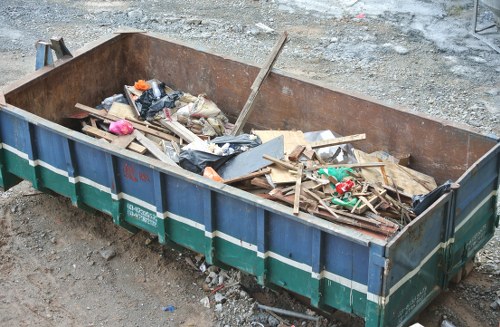
A large, rectangular steel skip with a blue and green exterior, filled with various types of builder's waste such as wooden planks, cardboard, plastic bags, and construction debris, situated on an outdoor gravel surface. The contents include rough-cut wooden strips, some with visible nails or screws, and scattered plastic items and packaging materials. The skip's sides are reinforced with rusted metal edges, and it is positioned on a gravelly area with loose stones and dirt visible around it. In the background, the ground is uneven with patches of exposed earth and small rocks, indicating a building site or outdoor work area typical of construction waste collection in South East London. Rubbish Clearance South East London manages such waste removal, ensuring clear and safe disposal of builders' materials in local projects.

Builders waste, also known as construction and demolition (C&D) waste, encompasses the debris generated during construction, renovation, and demolition projects. In South East London, the rise in construction activities has significantly contributed to the accumulation of builders waste, making its proper management crucial for environmental sustainability and public health.

Improper disposal of builders waste can lead to severe environmental issues, including soil and water contamination, increased landfill usage, and higher emissions of greenhouse gases. Therefore, understanding the types of builders waste and the best practices for managing them is essential for both construction professionals and property owners.

In this article, we will explore the various aspects of builders waste in South East London, including types, management strategies, recycling opportunities, and the importance of choosing the right waste removal services.

Types of Builders Waste

A group of four young volunteers, three women and one man, are standing outdoors on a paved area, smiling and holding large black garbage bags filled with rubbish. They are dressed casually, wearing gloves for waste collection, with two women on the left and right wearing yellow gloves, and the man and woman in the middle not wearing gloves. The background appears to be a residential or community area with blurred buildings and natural greenery, indicating they are participating in a local rubbish or litter clean-up activity. Their cheerful expressions suggest a community effort to improve the local environment, aligning with rubbish removal services provided by Rubbish Clearance South East London, which serves areas such as South East London or nearby postcode districts. The image conveys a sense of environmental responsibility, teamwork, and community involvement for rubbish clearance and waste management projects.

Demolition Waste

Demolition waste refers to the debris resulting from the demolition of buildings and structures. Common materials include concrete, bricks, wood, metals, and asbestos-containing materials. Proper handling and disposal of demolition waste are critical to prevent environmental contamination and ensure adherence to safety regulations.

Construction Waste

Construction waste arises from ongoing construction projects and encompasses leftover materials from building activities. This includes unused bricks, timber offcuts, packaging materials, and defective or surplus components. Effective management of construction waste can lead to significant cost savings and resource conservation.

Renovation Waste

Renovation waste is generated during the upgrading or refurbishment of existing structures. It typically includes old fixtures, plaster, insulation, and electrical components. As renovation projects increase in South East London, so does the need for efficient waste management solutions to handle this specific type of builders waste.

Importance of Proper Waste Management

A blue industrial rubbish bin with a white recycling symbol on the side is being pushed along a city street by two workers wearing dark uniforms and caps. The bin is overflowing with various waste items including black trash bags, a large rolled-up black carpet, and plastic containers in green and white. The background features a blurred view of urban buildings and passing vehicles, indicating motion. This scene illustrates a rubbish removal service, likely by Rubbish Clearance South East London, operating in an urban area such as South East London. The waste materials appear to be construction debris and general rubbish, positioned on a paved sidewalk or street surface. The environment is well-lit, with natural daylight, emphasizing the practical aspect of waste collection and disposal in a busy city setting, relevant to local rubbish clearance activities.

Environmental Impact

Proper management of builders waste is paramount in minimizing the environmental impact of construction activities. By reducing the amount of waste sent to landfills, conserving natural resources through recycling, and minimizing pollution, we can ensure a healthier environment for current and future generations.

Legal Requirements in South East London

Compliance with local regulations is a legal obligation for all construction and demolition projects in South East London. The Environmental Protection Act and other local bylaws dictate how builders waste should be disposed of, emphasizing the need for permits and adherence to specific disposal procedures. Failure to comply can result in hefty fines and legal consequences.

Key Regulations to Consider

  • Waste Management Licensing
  • Recycling Obligations
  • Health and Safety Standards

Waste Collection and Disposal Services

Inside a white kitchen drawer, there is a green plastic bin containing transparent plastic bottles with round bottoms and ridged sides, some with blue and red caps, suggesting they are for beverages or water. Next to the bin, there is a black plastic bag, which appears to be filled with assorted waste materials, possibly including plastic packaging and other rubbish. The environment seems well-lit, with a clean, modern design typical of Southeast London households. The image illustrates typical waste collection items prepared for rubbish removal services, emphasizing the need for proper disposal in residential settings. The presence of plastic bottles and general waste aligns with common rubbish categories handled by Rubbish Clearance South East London, especially in the context of managing builders or household waste on a typical urban property. The scene is close-up, with focus on the waste items, set against a tidy background suggesting an organized approach to rubbish disposal within a domestic or light commercial environment in South East London.

Local Recycling Facilities

South East London boasts several local recycling facilities dedicated to processing builders waste. These facilities specialize in recycling materials such as wood, metal, concrete, and gypsum, turning waste into valuable resources that can be reused in future construction projects.

Licensed Carriers

Engaging licensed waste carriers ensures that builders waste is transported and disposed of in accordance with legal standards. Licensed carriers are trained to handle hazardous materials safely and are equipped with the necessary permits to operate within the region.

Choosing the Right Carrier

  1. Verify Licensing and Certification
  2. Assess Availability and Response Times
  3. Compare Pricing Structures

Recycling and Reusing Builders Waste
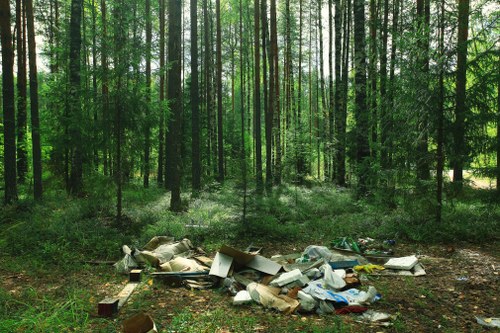
A collection of discarded household waste is scattered on the ground in a forested area, with tall, thin trees and green foliage in the background. The rubbish includes cardboard boxes, plastic bags, and miscellaneous debris, all resting on a patch of dirt and fallen leaves. The waste appears haphazardly piled, with some items leaning or partially covered by natural forest litter. Sunlight filters through the canopy above, illuminating the scene with natural light. Although the environment is lush and green, the presence of such refuse indicates illegal dumping or littering within the woodland. The image emphasizes the importance of proper rubbish disposal and landscape preservation, relevant to services that manage waste removal from rural or green spaces in South East London, as offered by Rubbish Clearance South East London.

Materials That Can Be Recycled

Not all builders waste needs to end up in landfills. Many materials, such as metals, glass, concrete, and certain plastics, can be recycled and reused in new construction projects. Recycling these materials helps in reducing the demand for virgin resources and lowers the overall environmental footprint of construction activities.

Benefits of Recycling

Recycling builders waste offers multiple benefits, including:

  • Conserving natural resources
  • Reducing landfill usage
  • Lowering greenhouse gas emissions
  • Creating economic opportunities through the recycling industry

Innovative Recycling Techniques

Advancements in recycling technology have made it possible to process builders waste more efficiently. Techniques such as mechanical recycling and chemical recycling allow for the recovery of high-quality materials that can seamlessly integrate into new construction projects.

How to Choose a Builders Waste Removal Service

A large, rectangular steel skip with a blue and green exterior, filled with various types of builder's waste such as wooden planks, cardboard, plastic bags, and construction debris, situated on an outdoor gravel surface. The contents include rough-cut wooden strips, some with visible nails or screws, and scattered plastic items and packaging materials. The skip's sides are reinforced with rusted metal edges, and it is positioned on a gravelly area with loose stones and dirt visible around it. In the background, the ground is uneven with patches of exposed earth and small rocks, indicating a building site or outdoor work area typical of construction waste collection in South East London. Rubbish Clearance South East London manages such waste removal, ensuring clear and safe disposal of builders' materials in local projects.

Factors to Consider

Selecting the right builders waste removal service is essential for ensuring efficient and compliant waste management. Key factors to consider include:

  • Reputation and Reviews
  • Range of Services Offered
  • Pricing and Transparency
  • Compliance with Environmental Standards

Top Service Providers in South East London

Some of the leading waste removal services in South East London are known for their reliability, comprehensive services, and commitment to sustainability. Researching and contacting multiple providers can help you find the best fit for your specific needs.

Questions to Ask Potential Providers

  1. Are you licensed and insured?
  2. What materials do you accept for recycling?
  3. Can you provide a detailed quote?
  4. Do you offer same-day or scheduled pickups?

Contact us today to learn more about our top-rated builders waste removal services in South East London!

Cost of Builders Waste Removal

A group of four young volunteers, three women and one man, are standing outdoors on a paved area, smiling and holding large black garbage bags filled with rubbish. They are dressed casually, wearing gloves for waste collection, with two women on the left and right wearing yellow gloves, and the man and woman in the middle not wearing gloves. The background appears to be a residential or community area with blurred buildings and natural greenery, indicating they are participating in a local rubbish or litter clean-up activity. Their cheerful expressions suggest a community effort to improve the local environment, aligning with rubbish removal services provided by Rubbish Clearance South East London, which serves areas such as South East London or nearby postcode districts. The image conveys a sense of environmental responsibility, teamwork, and community involvement for rubbish clearance and waste management projects.

Pricing Factors

The cost of builders waste removal can vary based on several factors, including the volume and type of waste, the distance to disposal or recycling facilities, and the specific services required. Understanding these factors can help you budget effectively for waste management.

Cost-Saving Tips

Implementing efficient waste management practices can lead to significant cost savings. Here are some strategies to consider:

  • Sort and segregate waste on-site to maximize recycling potential
  • Partner with a service provider that offers competitive pricing
  • Opt for bulk waste removal services to reduce per-unit costs
  • Regularly monitor waste output to identify areas for reduction

Flexible Pricing Models

Many waste removal services offer flexible pricing models tailored to different project sizes and requirements. Whether you need a one-time removal or ongoing waste management support, choosing a service with adaptable pricing can ensure you receive the best value for your investment.

Common Challenges and Solutions

A blue industrial rubbish bin with a white recycling symbol on the side is being pushed along a city street by two workers wearing dark uniforms and caps. The bin is overflowing with various waste items including black trash bags, a large rolled-up black carpet, and plastic containers in green and white. The background features a blurred view of urban buildings and passing vehicles, indicating motion. This scene illustrates a rubbish removal service, likely by Rubbish Clearance South East London, operating in an urban area such as South East London. The waste materials appear to be construction debris and general rubbish, positioned on a paved sidewalk or street surface. The environment is well-lit, with natural daylight, emphasizing the practical aspect of waste collection and disposal in a busy city setting, relevant to local rubbish clearance activities.

Sorting and Segregation

One of the primary challenges in managing builders waste is effective sorting and segregation. Properly categorizing waste streams ensures that recyclable materials are not contaminated and can be processed efficiently. Implementing on-site sorting protocols and training staff can significantly improve waste management outcomes.

Compliance with Regulations

Staying compliant with evolving environmental regulations can be daunting. Keeping abreast of local laws, engaging with licensed waste carriers, and conducting regular audits can help maintain compliance and avoid potential penalties.

Effective Waste Management Practices

  • Develop a comprehensive waste management plan
  • Educate employees on best practices
  • Utilize technology for waste tracking and reporting

Book your service now to overcome these challenges with our expert builders waste removal solutions in South East London.

Future Trends in Builders Waste Management

Inside a white kitchen drawer, there is a green plastic bin containing transparent plastic bottles with round bottoms and ridged sides, some with blue and red caps, suggesting they are for beverages or water. Next to the bin, there is a black plastic bag, which appears to be filled with assorted waste materials, possibly including plastic packaging and other rubbish. The environment seems well-lit, with a clean, modern design typical of Southeast London households. The image illustrates typical waste collection items prepared for rubbish removal services, emphasizing the need for proper disposal in residential settings. The presence of plastic bottles and general waste aligns with common rubbish categories handled by Rubbish Clearance South East London, especially in the context of managing builders or household waste on a typical urban property. The scene is close-up, with focus on the waste items, set against a tidy background suggesting an organized approach to rubbish disposal within a domestic or light commercial environment in South East London.

Sustainable Practices

The construction industry is increasingly embracing sustainable practices to reduce the environmental impact of builders waste. This includes designing for deconstruction, using recyclable materials, and implementing comprehensive waste reduction strategies throughout the project lifecycle.

Technological Advancements

Advancements in technology are revolutionizing builders waste management. Innovations such as automated sorting systems, waste tracking software, and eco-friendly disposal methods are enhancing the efficiency and effectiveness of waste management processes.

Impact of Technology on Waste Management

  1. Improved accuracy in waste sorting
  2. Enhanced data analytics for waste reduction
  3. Automation reducing labor costs

Staying informed about these trends can help businesses adapt and optimize their waste management strategies for the future.

Conclusion

A collection of discarded household waste is scattered on the ground in a forested area, with tall, thin trees and green foliage in the background. The rubbish includes cardboard boxes, plastic bags, and miscellaneous debris, all resting on a patch of dirt and fallen leaves. The waste appears haphazardly piled, with some items leaning or partially covered by natural forest litter. Sunlight filters through the canopy above, illuminating the scene with natural light. Although the environment is lush and green, the presence of such refuse indicates illegal dumping or littering within the woodland. The image emphasizes the importance of proper rubbish disposal and landscape preservation, relevant to services that manage waste removal from rural or green spaces in South East London, as offered by Rubbish Clearance South East London.

Effective management of builders waste in South East London is essential for promoting environmental sustainability, complying with legal requirements, and optimizing construction project efficiency. By understanding the types of waste, leveraging recycling opportunities, and choosing the right removal services, stakeholders can significantly mitigate the negative impacts of builders waste.

As the construction industry continues to grow, prioritizing responsible waste management practices will be crucial in fostering a more sustainable and environmentally friendly urban landscape in South East London.

Don’t hesitate to contact us today to take the first step towards efficient and compliant builders waste management solutions!

Frequently Asked Questions

We utilize state-of-the-art machinery and efficient techniques to ensure safe and effective builders waste removal. Our fleet includes forklifts, tipper trucks, and specialized containers to handle various types of construction debris. Contact our team for a quick quote and experience our top-notch service.

Our company is accredited by leading industry bodies such as the Environmental Protection Agency (EPA) and the Construction Waste Management Association (CWMA). These accreditations demonstrate our commitment to maintaining high standards in builders waste management. Trust our experienced team for your next project.

Yes, we are fully certified and insured to handle builders waste disposal in compliance with all local and national regulations. Our certifications ensure that we follow best practices for safety and environmental responsibility. Reach out to us today for reliable and compliant waste removal services.

We prioritize recycling and sustainable practices by sorting and processing up to 80% of builders waste. Materials like wood, metal, and concrete are recycled, reducing landfill usage and environmental impact. Choose our environmentally responsible services and help us make a difference.

With over 15 years of experience, our team has a proven track record in efficient and reliable builders waste removal. We have successfully managed projects of all sizes, ensuring customer satisfaction every step of the way. Contact us to benefit from our extensive expertise.

Absolutely! We offer competitively priced builders waste removal services without compromising on quality. Our transparent pricing ensures you get the best value for your money. Get in touch with us for an affordable quote tailored to your project needs.

Yes, our company is fully licensed for builders waste management, ensuring that all operations meet regulatory standards. Our licenses reflect our dedication to safe and legal waste disposal practices. Trust our licensed professionals for your builders waste needs.

Safety is our top priority. We adhere to strict safety protocols, provide regular training to our staff, and use appropriate protective equipment. Our careful planning and execution prevent accidents and ensure a secure work environment. Choose our safe and dependable waste removal services.

Absolutely. With over a decade of experience, numerous accreditations, and a commitment to customer satisfaction, you can trust us to handle your builders waste efficiently and responsibly. Let our trusted team take care of your waste management requirements.

Yes, we believe in full transparency. Our pricing is clear and upfront with no hidden fees, allowing you to budget effectively for your project. Contact us today for a detailed and honest quote for your builders waste removal needs.

We provide builders waste removal services in [Your Location] and the surrounding areas. Our local expertise ensures prompt and efficient service wherever you are. Get in touch to find out if we cover your specific area.

Getting a quick quote is easy! Simply contact our friendly team with details about your project, and we'll provide an affordable estimate tailored to your needs. Reach out today and take the first step towards hassle-free builders waste disposal.
Rubbish Clearance South East London

Discover effective strategies for managing builders waste in South East London, including types, recycling, legal requirements, and choosing the right removal services for sustainability and compliance.

Book Your Service Now

Get In Touch With Us.

Please fill out the form below to send us an email and we will get back to you as soon as possible.