Effective Waste Disposal in South East London: Strategies and Solutions

Introduction to Waste Disposal in South East London
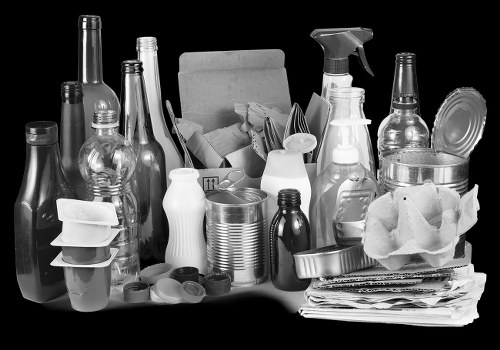
A collection of various household waste items placed on a flat surface, including multiple glass bottles of different shapes and sizes, some with and some without labels, and made of clear or dark glass. There are several plastic containers, such as spray bottles, a white plastic jug, and smaller bottles, along with a stack of crumpled newspapers and magazines. Additionally, a few aluminium cans are visible, and a cardboard box in the background is filled with torn paper and packaging material. The items are arranged haphazardly in an indoor setting, possibly a garage or storage area, with a focus on waste collection for rubbish removal. The textures range from smooth glass and plastic to crumpled paper and rigid cardboard, and the colour tones include transparent, dark, and light shades typical of household packaging and waste. This scene reflects typical refuse that might be collected by Rubbish Clearance South East London, a company specialising in rubbish services around South East London or nearby areas like Southwark or Lewisham.

Waste disposal is a critical aspect of urban living, and **South East London** is no exception. With its bustling communities and vibrant neighborhoods, managing waste effectively is essential for maintaining public health, environmental sustainability, and overall quality of life.

In this article, we will explore the various waste disposal methods available in South East London, the challenges faced by residents and businesses, and the innovative solutions being implemented to ensure a cleaner, greener future.

Understanding the local waste disposal system is the first step towards responsible waste management. Whether you're a homeowner, a business owner, or simply a concerned resident, this comprehensive guide will provide valuable insights into the waste disposal landscape of South East London.

Types of Waste Generated in South East London
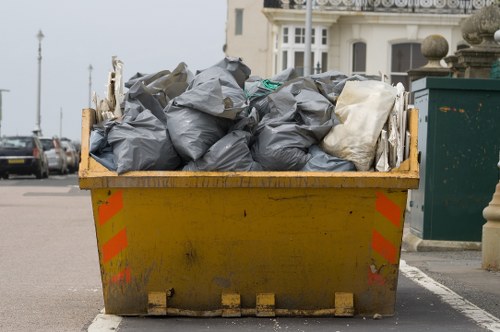
Different types of waste generated in South East London

Waste in South East London can be broadly categorized into several types, each requiring specific disposal methods:

  • Household Waste: Everyday items discarded by residents, including kitchen scraps, packaging materials, and broken household items.
  • Commercial Waste: Waste generated by businesses, such as office paper, electronic waste, and packaging materials.
  • Construction and Demolition Waste: Debris from building projects, including concrete, wood, and metal scraps.
  • Hazardous Waste: Items that are potentially harmful to health or the environment, such as chemicals, batteries, and electronics.
  • Recyclable Materials: Items that can be processed and reused, including glass, paper, plastic, and metal.

Each type of waste requires a tailored approach to disposal to minimize environmental impact and promote sustainability.

Local Waste Disposal Facilities and Services
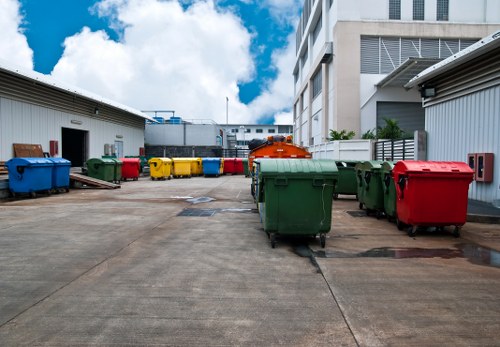
A paved outdoor area between two industrial-style buildings with metal siding. In the foreground, there are multiple large wheeled rubbish bins in various colours, including red, green, blue, yellow, and grey, arranged in a loose formation. The bins appear to be made of durable plastic with textured surfaces and are positioned on a concrete surface. In the background, a row of additional bins lines the area, and a large orange waste container or hopper is partially visible behind them. The scene is lit by natural daylight, with some clouds visible in the blue sky overhead. Surrounding the bins are small pools of water on the ground, likely from recent rain. On the left side, a section of a white building with a large open doorway and some smaller doors can be seen, while on the right, part of another building with some louvered window panels is visible. The setting suggests a waste collection or disposal point, commonly serviced by rubbish clearance companies such as Rubbish Clearance South East London, serving areas including South East London postcode districts and nearby towns.

South East London boasts a range of waste disposal facilities designed to handle the diverse types of waste generated in the area. Key facilities include:

  • Local Recycling Centers: These centers accept various recyclable materials and ensure they are processed correctly.
  • Landfills and Transfer Stations: Designated areas where non-recyclable waste is transported and managed.
  • Hazardous Waste Facilities: Specialized centers equipped to handle and dispose of hazardous materials safely.
  • Composting Sites: Facilities that convert organic waste into compost, promoting sustainable waste management practices.
  • Waste Collection Services: Regular collection of household and commercial waste by local authorities and private companies.

Choosing the right facility for your waste type is crucial for effective disposal and environmental protection.

Recycling Initiatives in South East London
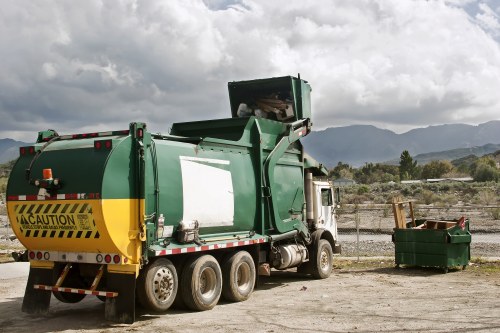
A large green rubbish collection truck with a yellow caution sign on the back is parked on a gravel surface, partially lifting its rear compaction unit for waste loading. To the right of the truck, there is a green industrial skip filled with mixed waste materials, which appears to include wooden pallets and other debris. The background features a cloudy sky with some sunlight breaking through, casting a diffuse light over the scene. Distant mountains and sparse vegetation are visible beyond a fence line, suggesting a semi-rural environment near South East London. The scene captures an outdoor waste management operation, likely part of a rubbish removal service provided by Rubbish Clearance South East London, serving the local area and nearby postcode. The overall setting is open and functional, emphasizing logistical activities involved in waste collection and disposal, with a focus on the practicalities of rubbish clearance in the region.

Recycling plays a pivotal role in reducing the environmental footprint of waste disposal. South East London has implemented several initiatives to encourage recycling among residents and businesses:

  • Blue and Green Bin Collections: Segregated waste collection systems that separate recyclables from general waste.
  • Recycling Education Programs: Community outreach and educational campaigns to inform the public about the importance of recycling.
  • Partnerships with Local Businesses: Collaborations with businesses to promote sustainable practices and reduce waste generation.
  • Innovative Recycling Technologies: Adoption of advanced technologies to improve the efficiency and effectiveness of recycling processes.
  • Incentive Programs: Rewards and incentives for individuals and organizations that actively participate in recycling efforts.

These initiatives not only help in managing waste more effectively but also foster a culture of sustainability within the community.

Challenges in Waste Disposal
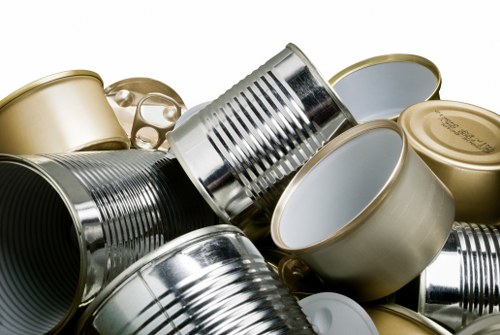
A close-up of several tin cans and metal food containers stacked together, with some cans appearing crushed or dented, arranged on a flat surface. The cans have a shiny metallic finish with visible ridges on their sides, and some are open with noticeable smooth, rounded rims. The background is plain, emphasizing the metallic textures and reflective surfaces of the scrap metal objects. The scene suggests waste or recyclable materials typically encountered during rubbish clearance in South East London, with a focus on metal recycling. The image underscores the type of item handled by Rubbish Clearance South East London in their rubbish removal services, which often involves collecting and disposing of metal waste from domestic or commercial properties. The environment appears well-lit, possibly with natural or bright artificial lighting, highlighting the reflective qualities of the cans and their surfaces. Overall, the composition captures an organized pile of discarded metal containers ready for disposal or recycling, illustrating the importance of proper waste management for metal items in urban settings.

Despite the robust waste disposal infrastructure, South East London faces several challenges:

  • Population Density: High population density leads to increased waste generation, putting pressure on disposal facilities.
  • Limited Landspace: Scarcity of land for new waste management facilities necessitates efficient use of existing resources.
  • Contamination in Recycling Streams: Incorrect sorting and contamination of recyclables reduce the efficiency of recycling processes.
  • Public Awareness: A lack of awareness about proper waste disposal and recycling practices can hinder efforts to manage waste effectively.
  • Funding and Resources: Adequate funding is essential for maintaining and expanding waste disposal services.

Addressing these challenges requires a concerted effort from local authorities, businesses, and the community.

Innovative Solutions for Waste Management

To overcome the challenges associated with waste disposal, South East London is adopting innovative solutions:

  • Smart Waste Collection: Utilizing technology such as sensors and data analytics to optimize waste collection routes and schedules.
  • Waste-to-Energy Plants: Converting non-recyclable waste into energy, reducing landfill use while generating power.
  • Community Recycling Programs: Engaging local communities in recycling efforts through initiatives like neighborhood recycling drives and educational workshops.
  • Extended Producer Responsibility: Encouraging manufacturers to take responsibility for the entire lifecycle of their products, including disposal.
  • Circular Economy Models: Promoting the reuse and recycling of materials to create a sustainable, closed-loop system.

These solutions not only enhance waste management efficiency but also contribute to environmental conservation.

Regulatory Framework and Policies
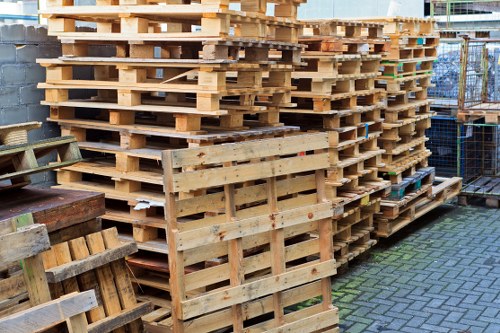
A large stack of wooden pallets is arranged in an outdoor industrial or storage yard setting, with the pallets placed on top of each other in multiple columns. The pallets are made of light-colored natural wood, featuring visible grain, slats, and supporting blocks with some showing minor wear or slight discoloration. In the foreground, a smaller wooden pallet leans against the stack, partially obstructing part of it. To the left, there is a weathered wooden table or work surface with a rough texture, and to the right, a metal fence runs along the perimeter, with additional pallets and stored materials visible behind it. The surface beneath the pallets consists of interlocking paving stones, some of which show moss or dirt buildup, indicating an outdoor environment. Out of focus in the background, elements of an industrial or warehouse area can be seen, such as more stacked materials or storage containers. The scene is evenly lit, typical of daylight, conveying a professional waste management or rubbish removal setting operated by Rubbish Clearance South East London, serving areas within the local postcode region of South East London.

The waste disposal system in South East London is governed by a comprehensive regulatory framework aimed at ensuring sustainable waste management practices:

  • Waste Framework Directive: European legislation that guides waste management policies, focusing on waste hierarchy and sustainability.
  • Local Bylaws: Specific regulations set by local authorities to address waste management at the community level.
  • Environmental Protection Act: Legislation that sets standards for waste disposal and environmental conservation.
  • Extended Producer Responsibility (EPR) Regulations: Policies that hold producers accountable for the disposal and recycling of their products.
  • Zero Waste Strategy: Plans aimed at minimizing waste generation and maximizing recycling and reuse.

Compliance with these regulations is crucial for the effective functioning of the waste disposal system and the protection of the environment.

Community Involvement and Education
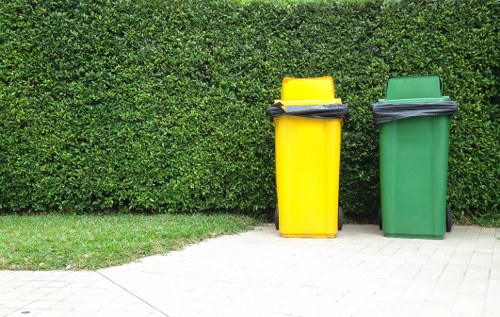
Two wheelie bins, one yellow and one green, are positioned side by side on a paved residential driveway, facing outward with their lids closed. The yellow bin, likely for general waste, is slightly taller and has a black handle on the lid, while the green bin, typically used for recycling, has a similar design with a black lid handle. Behind the bins is a well-maintained hedge composed of dense, small green leaves, creating a natural boundary at the edge of a garden or driveway area. The surface beneath the bins consists of light grey paving stones, with a corner of the paved area visible in the foreground. This scene depicts typical waste management arrangements seen in South East London for rubbish collection, maintained by services such as Rubbish Clearance South East London, and is indicative of regular household waste disposal practices in the area.

Engaging the community is vital for the success of waste disposal initiatives in South East London. Community involvement and education efforts include:

  • Educational Workshops: Sessions aimed at teaching residents about proper waste segregation and recycling practices.
  • Public Awareness Campaigns: Initiatives that highlight the importance of reducing, reusing, and recycling waste.
  • Volunteer Programs: Opportunities for community members to participate in local clean-up projects and recycling drives.
  • School Programs: Integrating waste management education into school curricula to instill sustainable habits from a young age.
  • Community Gardens: Projects that utilize composted organic waste, promoting both waste reduction and urban green spaces.

These efforts help build a collective responsibility towards waste management, fostering a culture of sustainability and environmental stewardship.

Business and Commercial Waste Management
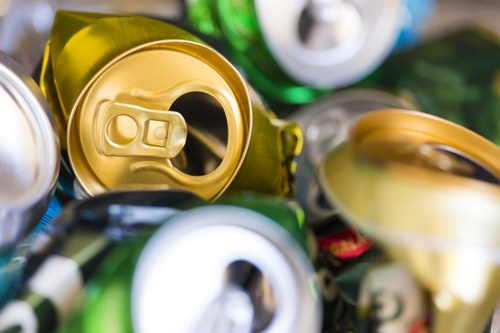
A close-up view of several crushed metallic beverage cans, primarily in gold, silver, green, and black colors, stacked together on a flat surface. The cans show dents and creases from crushing, with their open tops and pull-tab mechanisms clearly visible. The background is slightly blurred, suggesting an outdoor or driveway setting typical for rubbish collection in South East London. The lighting highlights the reflective surfaces of the cans, emphasizing their metallic finishes. This image exemplifies waste materials that Rubbish Clearance South East London might remove during a rubbish clearance service, especially involving recyclable metal waste in residential or commercial areas within the region.

Businesses in South East London play a significant role in waste generation and can adopt various strategies for effective waste management:

  • Waste Audits: Assessing the types and quantities of waste generated to identify areas for improvement.
  • Recycling Programs: Implementing systems to segregate and recycle waste materials within the workplace.
  • Paperless Solutions: Reducing paper use through digital documentation and communication methods.
  • Composting Initiatives: Managing organic waste by composting food scraps and other biodegradable materials.
  • Sustainable Purchasing: Choosing suppliers and products that prioritize sustainability and minimal packaging.

By adopting these practices, businesses can not only reduce their environmental impact but also potentially lower operating costs and enhance their corporate social responsibility profiles.

Residential Waste Disposal Tips
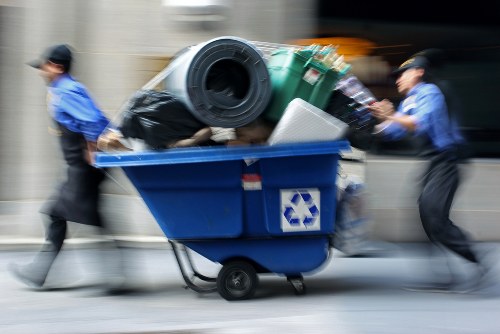
A large blue wheeled bin, associated with waste collection services in South East London, is overflowing and filled with various types of rubbish, including a green plastic container, a black trash bag, a piece of white furniture or large plastic item, and a rolled-up dark object, possibly a carpet or mat. The bin is positioned on a paved surface, likely a street or alleyway, with a blurred background indicating motion. Two workers in blue uniforms and black caps are seen pushing the bin, one on each side, demonstrating the manual effort involved in waste collection or clearance activities. The scene reflects an urban environment where waste management and rubbish clearance are actively taking place, characteristic of services provided by Rubbish Clearance South East London.

Residents of South East London can take several steps to manage their waste more effectively:

  • Proper Segregation: Separating recyclables, compostables, and general waste to facilitate efficient processing.
  • Reduce Single-Use Items: Minimizing the use of disposable products to cut down on waste generation.
  • Composting: Creating a home compost system for organic waste to reduce landfill contributions and produce valuable compost for gardening.
  • Recycling Electronics: Ensuring that electronic waste is properly recycled to prevent environmental contamination.
  • Bulk Purchasing: Buying items in bulk to reduce packaging waste and often save money.

Implementing these practices not only helps the environment but can also lead to a more organized and efficient household waste management system.

The Future of Waste Disposal in South East London

[IMG_11]

The landscape of waste disposal in South East London is continually evolving, with future developments focusing on sustainability and innovation:

  • Advanced Recycling Technologies: Investing in cutting-edge technologies to improve the efficiency and range of materials that can be recycled.
  • Smart Waste Management Systems: Integrating IoT and AI to create intelligent waste collection and processing systems.
  • Circular Economy Adoption: Shifting towards a circular economy model where materials are reused and recycled continuously, reducing the need for new resources.
  • Increased Public Participation: Enhancing community engagement to drive more effective and widespread waste management practices.
  • Policy Enhancements: Developing and implementing stronger regulations to support sustainable waste disposal and management strategies.

These advancements promise to make waste disposal in South East London more efficient, sustainable, and environmentally friendly.

Conclusion

[IMG_12]

Waste disposal in South East London is a multifaceted challenge that requires coordinated efforts from individuals, businesses, and authorities. By understanding the types of waste, utilizing local facilities, embracing recycling initiatives, and adopting innovative solutions, the community can effectively manage waste and promote a sustainable environment.

Continuous education, community involvement, and supportive policies are essential in achieving long-term success in waste management. As South East London moves towards more advanced and sustainable waste disposal methods, the collective efforts of its residents and businesses will play a pivotal role in shaping a cleaner and greener future.

**Contact us today** to learn more about effective waste disposal solutions and how you can contribute to a sustainable South East London.

Frequently Asked Questions

Top waste disposal companies use advanced machinery like compactors, balers, and eco-friendly vehicles to efficiently handle and transport waste. They implement safe and effective methods to sort, recycle, and dispose of materials responsibly. Contact our team for a quick quote and experience our state-of-the-art waste management solutions.

Yes, many trusted waste disposal services hold accreditations from recognized industry bodies such as the Environmental Protection Agency (EPA) and local regulatory organizations. These certifications ensure that the companies adhere to high standards of safety, compliance, and environmental responsibility. Reach out to learn more about our accredited services.

Finding affordable waste disposal services with proper certifications involves researching local providers, comparing quotes, and verifying their credentials. Look for companies that are licensed, insured, and certified by relevant authorities to ensure legal compliance and quality service. Contact us today for a competitive quote tailored to your needs.

Environmentally responsible waste disposal companies typically achieve high recycling rates, often recycling over 60% of collected materials. They prioritize sorting and processing waste to minimize landfill use and promote sustainability. Learn more about our commitment to recycling and how we can help you reduce your environmental footprint.

Local waste disposal services often boast years of experience, providing reliable and knowledgeable solutions tailored to your area's specific needs. Experienced companies understand the local regulations and best practices, ensuring efficient and compliant waste management. Contact our team to benefit from our extensive experience and dedicated service.

Yes, licensed waste disposal companies typically offer transparent pricing, outlining all costs upfront without hidden fees. They provide detailed quotes based on the type and volume of waste, ensuring you understand what you're paying for. Reach out to us for a clear and honest pricing structure tailored to your requirements.

Professional waste disposal services carry comprehensive insurance, including liability and worker's compensation, to protect both the company and its clients. This coverage ensures that any accidents or damages during the waste disposal process are handled responsibly. Contact us to learn more about our insured services and how we prioritize your safety.

Professional waste disposal methods prioritize safety by adhering to strict guidelines and using specialized equipment to handle various types of waste. Staff are trained in safety protocols to prevent accidents and environmental harm. Trust our team to manage your waste safely and efficiently. Get in touch for secure waste disposal solutions.

Trusted waste disposal companies follow ethical practices by ensuring responsible waste handling, prioritizing recycling, and minimizing environmental impact. They maintain transparency with clients and comply with all regulations to uphold integrity in their operations. Learn more about our ethical approach to waste management by contacting us today.

Professional waste disposal for residential use is often affordable, with various pricing options to fit different budgets. Many companies offer flexible plans based on the amount and type of waste, ensuring cost-effective solutions for homeowners. Contact our team to find an affordable waste disposal plan that meets your household needs.

Top-rated waste disposal companies typically have many years of service, showcasing their reliability and expertise in the industry. A long track record indicates consistent performance and customer satisfaction. Discover the benefits of working with an experienced waste disposal provider by reaching out to us today.

To ensure environmentally responsible waste disposal, choose companies that prioritize recycling, use eco-friendly methods, and hold relevant environmental certifications. Ask about their recycling rates and sustainability practices. Contact our team to learn how we maintain high environmental standards in all our waste disposal services.
Rubbish Clearance South East London

Explore comprehensive strategies and solutions for effective waste disposal in South East London, covering types of waste, local facilities, recycling initiatives, challenges, and future innovations.

Book Your Service Now

Get In Touch With Us.

Please fill out the form below to send us an email and we will get back to you as soon as possible.